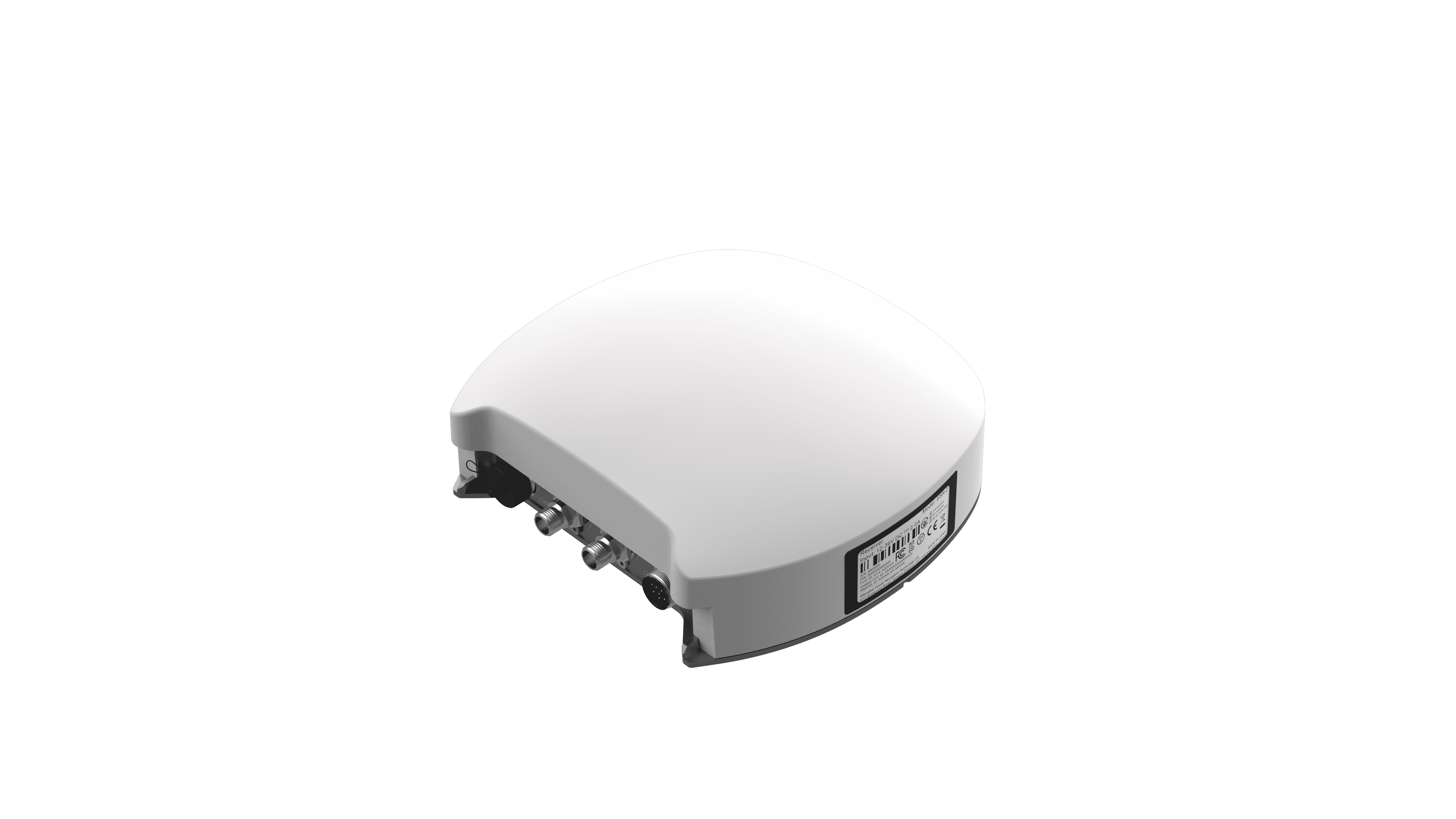
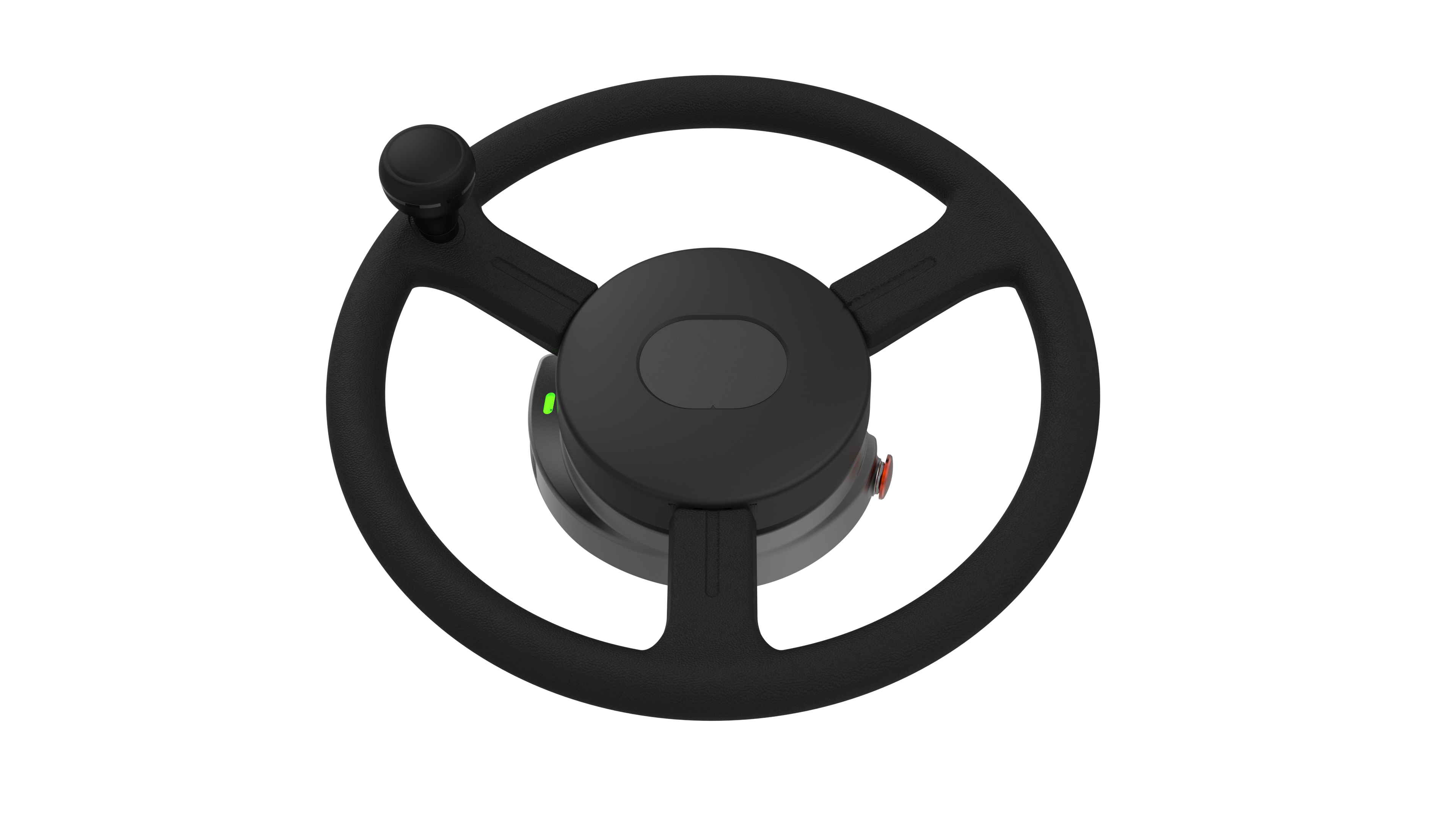
Tractor auto steer helps reduce repetitive steering work and maintain consistent pass-to-pass accuracy. However, reliable automatic steering depends on several interconnected components, including GNSS receivers, steering controllers, sensors, electrical connections, and mechanical or hydraulic steering mechanisms. Problems with any of these components can cause the tractor to drift off the guidance line, make repeated left-right corrections, fail to engage, or suddenly disengage.
Understanding these symptoms and their underlying causes helps operators identify problems early and avoid unnecessary downtime. This guide explains six common tractor steering problems, provides a step-by-step troubleshooting process, and outlines practical maintenance measures to keep an auto steering system working reliably.

Why Tractor Steering Issues Cannot Be Ignored
Tractor auto-steering problems can affect more than driving comfort. For farms operating within narrow planting, spraying, or harvesting windows, even a short equipment delay can disrupt the entire work schedule.
Three major consequences deserve attention:
● Reduced field efficiency: Inaccurate steering creates overlaps and missed areas between passes. Operators may need additional passes or manual corrections, increasing working time and fuel consumption.
● Higher input costs: When guidance accuracy declines, seeds, fertilizers, and crop protection chemicals may be applied unevenly or unnecessarily. This can increase input consumption and affect crop establishment and yield potential.
● Operational safety risks: Unexpected auto-steer disengagement or uncontrolled steering movement can create hazards, particularly when operating near workers, obstacles, or field boundaries. Operators must remain attentive and ready to take manual control. The ISO 10975:2023 safety standard specifically addresses auto-guidance systems for operator-controlled agricultural machinery.
Identifying and correcting steering problems promptly helps protect equipment, maintain work quality, and reduce avoidable operating costs.

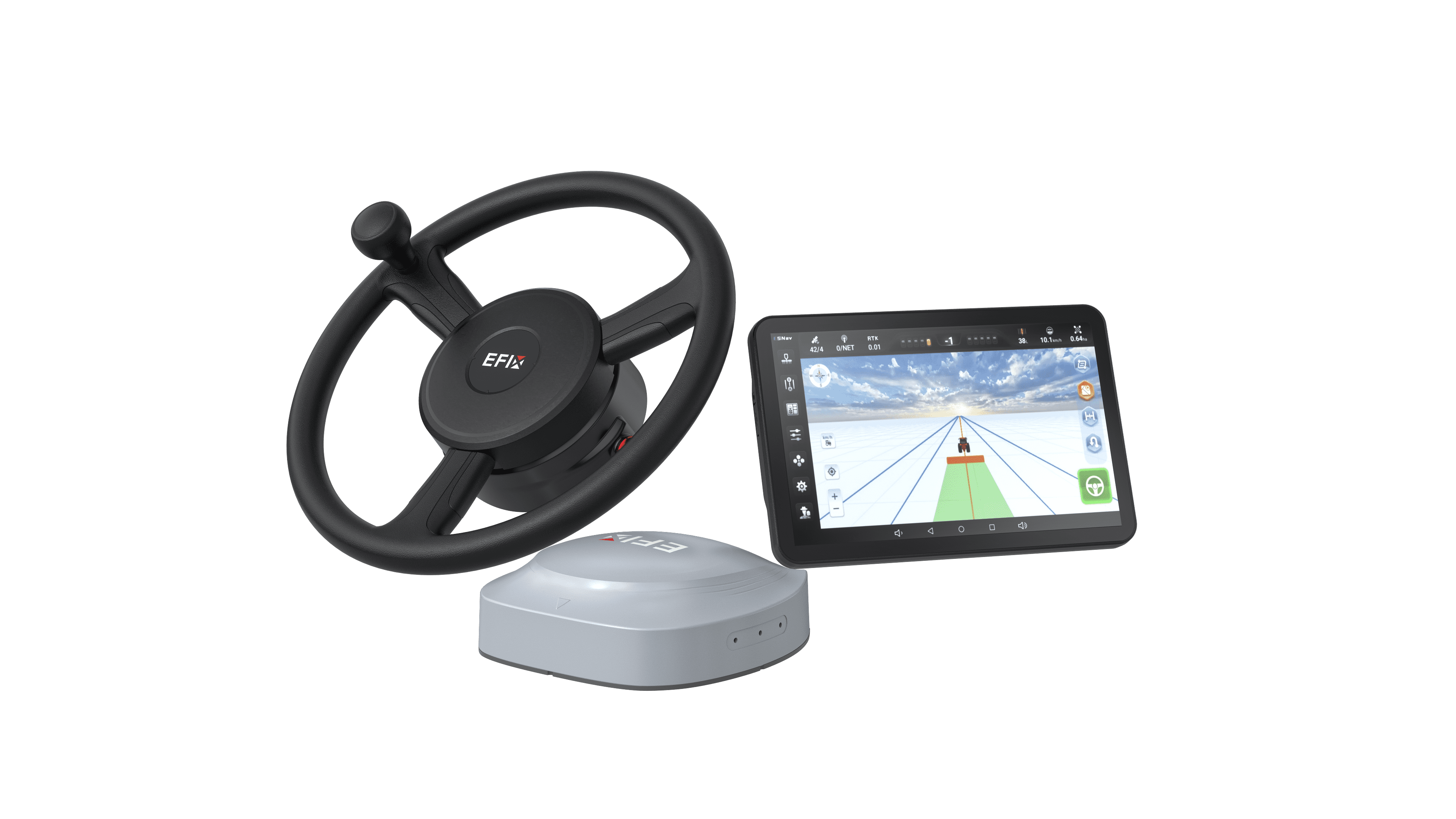
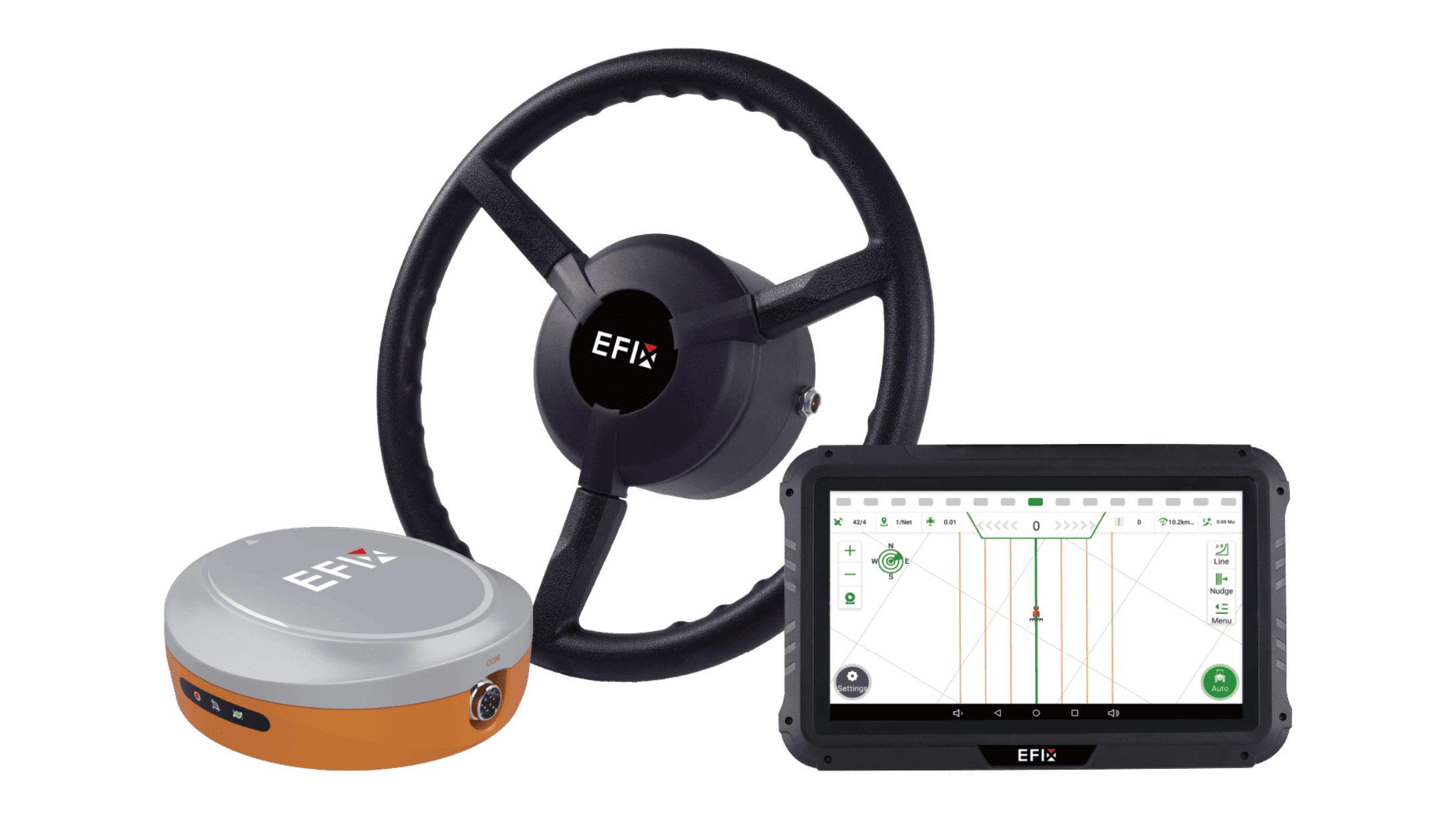
Picture shown: EFIX eSteer20 Max auto steering system in operation
Common Tractor Auto Steer Problems and Their Causes
Not every steering problem originates in the automatic guidance equipment. Some symptoms come from the tractor's mechanical or hydraulic steering system, whereas others involve GNSS positioning, sensor feedback, or control settings.
The following are six common problems and their possible causes.
1. Hard Steering
Hard steering occurs when the operator needs excessive force to turn the steering wheel. It can make maneuvering difficult, particularly during headland turns and low-speed operations.
Common causes include:
● Insufficient or contaminated hydraulic fluid.
● A worn or malfunctioning hydraulic pump.
● Restricted hydraulic lines or filters.
● Seized steering joints or insufficient lubrication.
● Excessive front axle or implement load.
How to fix it: Check the hydraulic fluid level and condition, inspect for visible leaks, and verify that steering joints move freely. If the problem persists, have a qualified technician test hydraulic pressure and inspect the steering pump and control valves.
For motor-driven auto-steering systems, also check whether the steering motor or its installation is causing resistance.
2. Steering Pull or Wander
Steering pull occurs when a tractor consistently moves toward one side. Steering wander refers to difficulty maintaining a straight path.
Possible causes include uneven tire pressure, incorrect front-wheel alignment, worn steering linkages, loose wheel bearings, and improperly tuned steering sensitivity. In auto steer systems, poor GNSS signal quality, incorrect antenna mounting or calibration parameters, and sensor calibration errors can also cause deviations. Incorrect implement lateral offset settings may result in uneven implement tracking, even when the tractor follows its guidance line correctly.
How to fix it: Check tire pressure, wheel alignment, and steering linkages first. Then adjust steering sensitivity to reduce drift or excessive wheel movement. Verify antenna mounting, geometric offsets, GNSS signal quality, and machine calibration. For implement tracking issues, check and correct the lateral offset settings.
3. Complete Steering Failure
Distinguish loss of automatic steering from loss of steering control.
Automatic steering may stop because of power interruption, communication faults, positioning problems, or unmet engagement conditions. Loss of physical steering response may indicate a more serious mechanical or hydraulic fault.
How to fix it: Stop operating immediately and secure the tractor. If manual steering is unavailable, do not continue field operations. A qualified technician should inspect the steering mechanism, hydraulic circuit, electrical connections, and control components before the tractor returns to service.
4. Front Wheel Shimmy or Wobble
Front wheel shimmy refers to repeated vibration or rapid side-to-side movement of the front wheels, often noticeable through the steering wheel.
Common causes include loose steering linkages, worn wheel bearings, incorrect wheel alignment or toe settings, uneven tire pressure, and loose or misaligned wheel rims. When shimmy occurs only during auto steer operation, excessive steering gain, high response settings, incorrect calibration, or mismatched vehicle settings may also be responsible.
How to fix it: Inspect tire pressure, wheel fasteners, rim runout, bearings, and steering joints. Check front-wheel alignment and toe settings, replacing worn components as needed. If wobble occurs only during auto steer, reduce steering gain or response settings and recalibrate the system according to the manufacturer's guidelines.
5. Excessive Steering Free Play
Excessive steering free play means the operator can turn the steering wheel noticeably before the front wheels respond.
This problem commonly results from worn tie-rod ends, loose steering connections, damaged bearings, or excessive clearance in the steering gearbox.
How to fix it: Inspect the steering linkage and connection points for looseness or wear. Replace damaged components and adjust the steering mechanism according to the manufacturer's specifications. Do not compensate for mechanical looseness by changing auto-steer calibration settings.
6. Abnormal Steering Noise
Unusual whining, grinding, knocking, or squealing sounds can indicate problems within the steering system.
● Whining or squealing: May indicate low hydraulic fluid, restricted flow, or pump problems.
● Knocking: May result from loose steering joints or worn mechanical connections.
● Grinding: Can indicate damaged bearings or other internal mechanical wear.
How to fix it: Identify when the noise occurs, such as during startup, continuous steering, or full-lock turns. Inspect fluid levels, visible connections, and mechanical components. Persistent or metallic noises require professional diagnosis.
Step-by-Step Troubleshooting for Tractor Auto Steer Problems
A systematic inspection helps operators avoid replacing components unnecessarily. Follow these four steps, starting with basic checks before moving to specialized diagnostics.
Step 1: Visual and Mechanical Inspection
Park on firm, level ground, lower implements, apply the parking brake, and follow the shutdown procedure before inspecting components.
Then, begin with components that are easy to access:
● Inspect steering linkages, joints, and mounting brackets for looseness or damage.
● Check tire pressure and look for uneven wear.
● Examine hydraulic hoses and connections for leaks.
● Verify that the GNSS antenna and other external components are securely mounted.
Correcting loose connections or visible mechanical problems may resolve some steering symptoms without further intervention.
Step 2: Electrical and Signal Diagnostics
If mechanical components appear normal, check the electrical and positioning systems.
Inspect power connections, wiring harnesses, connectors, and fuses. Confirm that the display communicates properly with the steering controller and sensors.
For GNSS-related problems, check satellite reception and correction service status. Poor signal availability or interrupted RTK corrections may affect positioning consistency, depending on the system and correction method being used.
Step 3: Software and Sensor Calibration
Incorrect configuration can cause a tractor auto steering system to make repeated corrections or follow an inaccurate path.
Check the following settings:
● GNSS antenna position and machine offsets.
● IMU installation and calibration.
● Wheel angle sensor feedback, if equipped.
● Steering response and sensitivity parameters.
● Implement dimensions and lateral offsets.
Recalibrate the system after relevant hardware changes, sensor relocation, or repairs. Follow the equipment manufacturer's calibration procedure rather than adjusting multiple parameters simultaneously.
Step 4: Hydraulic System Pressure and Flow Testing
When basic checks do not explain heavy, slow, or inconsistent steering, a technician may need to inspect fluid condition, filter restrictions, pump performance, and possible internal leakage.
A technician can use appropriate pressure gauges and flow-testing equipment to identify insufficient hydraulic output or malfunctioning valves.
Important: This step does not apply to every auto-steer architecture. A motor-driven electric steering system does not use the tractor's hydraulic circuit to drive its automatic steering motor. Hydraulic testing should only be performed where the relevant steering system uses hydraulic components.

How to Prevent Tractor Auto Steer Problems
Preventive maintenance is generally more practical than troubleshooting equipment during critical field operations. The following habits can help maintain steering performance:
● Regular lubrication and mechanical upkeep: Lubricate steering joints and pivot points according to the tractor maintenance schedule. Replace worn linkages and bearings before excessive play develops.
● Hydraulic system servicing: Check fluid levels, inspect for leaks, and replace hydraulic filters and fluid at the intervals specified by the tractor manufacturer.
● Pre-operation inspections: Before fieldwork, check tires, leaks, mountings, cables, warning messages, positioning status, and the selected vehicle profile.
● Proper operation and parameter setup: Enter accurate machine and implement dimensions. Avoid changing steering sensitivity or other control parameters without understanding their effects.
● Periodic calibration and software updates: Recheck sensor calibration after hardware adjustments and install compatible software updates following manufacturer instructions.
Maintenance requirements vary by tractor model, steering architecture, operating conditions, and climate. Always prioritize the equipment manufacturer's service recommendations.
FAQs about Tractor Auto Steer Problems
1. Why does my auto steer keep drifting off the line?
Common causes include weak or interrupted GNSS corrections, incorrect antenna offsets, loose sensor mounting, inaccurate IMU calibration, and incorrect steering parameters. Check positioning status and machine configuration first. If the tractor also wanders under manual steering, inspect tire pressure, alignment, and steering linkages. If only automatic operation oscillates, review calibration and supported sensitivity settings.
2. Can I fix hard steering myself, or does it need a technician?
Basic checks, such as inspecting hydraulic fluid levels, looking for visible leaks, and checking tire pressure, can often be performed by operators. However, hydraulic pressure testing, pump repairs, and internal steering mechanism adjustments should be handled by qualified technicians.
3. What causes severe front tire wear on tractors?
Common causes include incorrect wheel alignment, uneven tire pressure, worn steering linkages, overloaded front axles, and unsuitable operating conditions. Regularly inspect tire pressure and front-end components. Persistent uneven wear may indicate an alignment or mechanical problem.
4. Does cold weather affect auto-steer performance?
Yes, cold weather can affect some components supporting automatic steering. Hydraulic oil becomes more viscous at low temperatures, potentially slowing steering response. Weak batteries may also affect electrical equipment. Follow the tractor manufacturer's warm-up instructions and use fluids suitable for the local temperature range. GNSS positioning accuracy does not automatically decrease simply because the weather is cold.
Keep Your Tractor Auto Steer System Working Reliably with EFIX
Proper hardware integration, correct calibration, mechanical condition, and ongoing maintenance all contribute to consistent automatic steering performance.
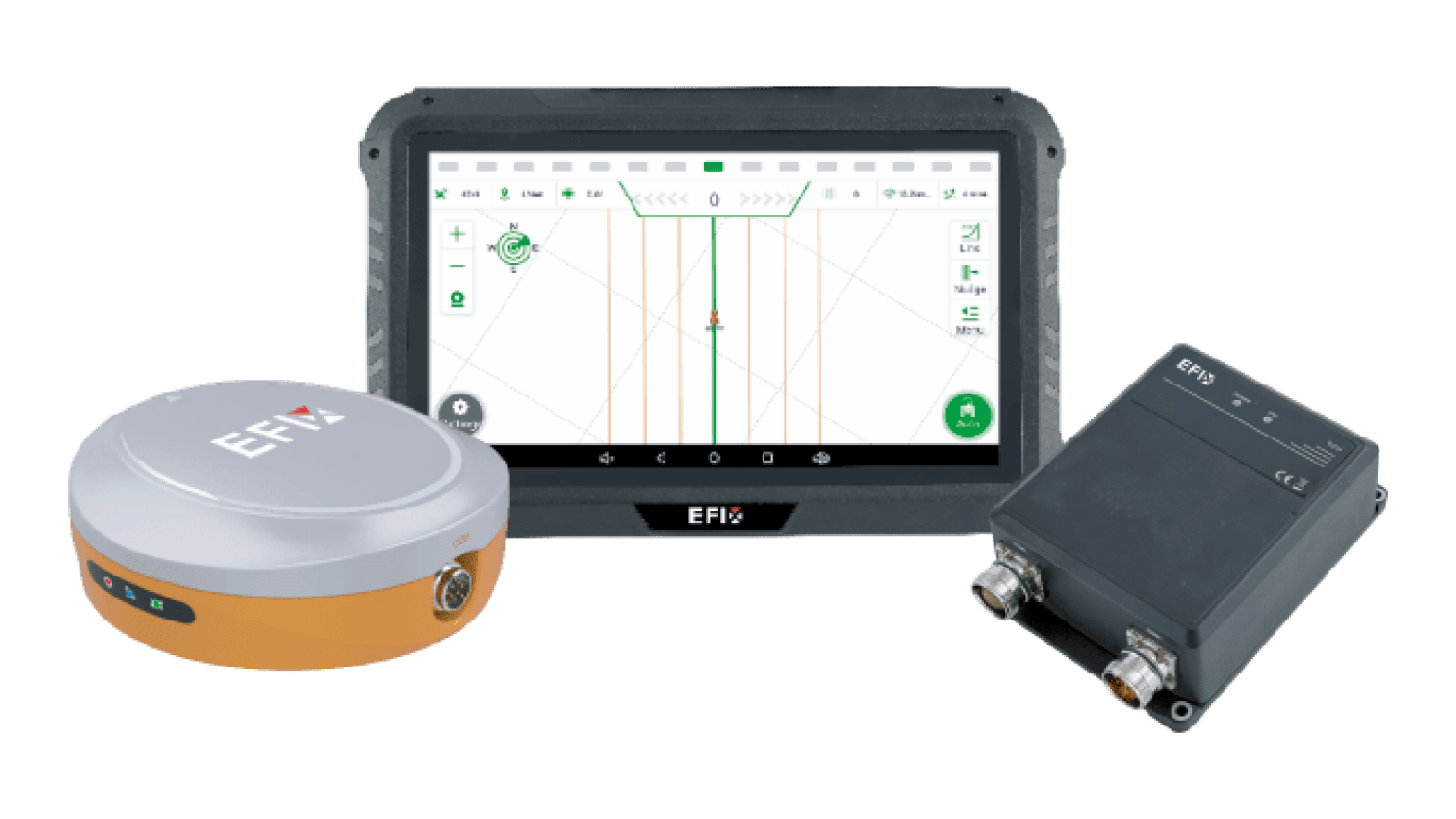
At EFIX, we provide precision agriculture solutions designed to support different tractor configurations and farming requirements. Our eSteer20 Max offers a motor-driven steering solution for flexible equipment integration, whereas eSteer Ready connects with compatible tractors' existing hydraulic steering systems. Both solutions support ±2.5 cm positioning accuracy under their specified operating conditions.
Furthermore, EFIX supports customers through a global network of authorized partners, offering localized service and on-site assistance. Our Document Center and video tutorials provide product manuals, installation guidance, and operating instructions, while technical training and ongoing partner support help dealers strengthen their product knowledge and after-sales service capabilities in their local markets.
Whether you are a farm operator upgrading existing machinery, an agricultural equipment dealer, or an OEM partner developing precision farming solutions, choosing an appropriate auto steer for tractor applications is essential.
Feel free to contact EFIX's professional team to learn more about our solutions and find an approach that fits your equipment and field operations.