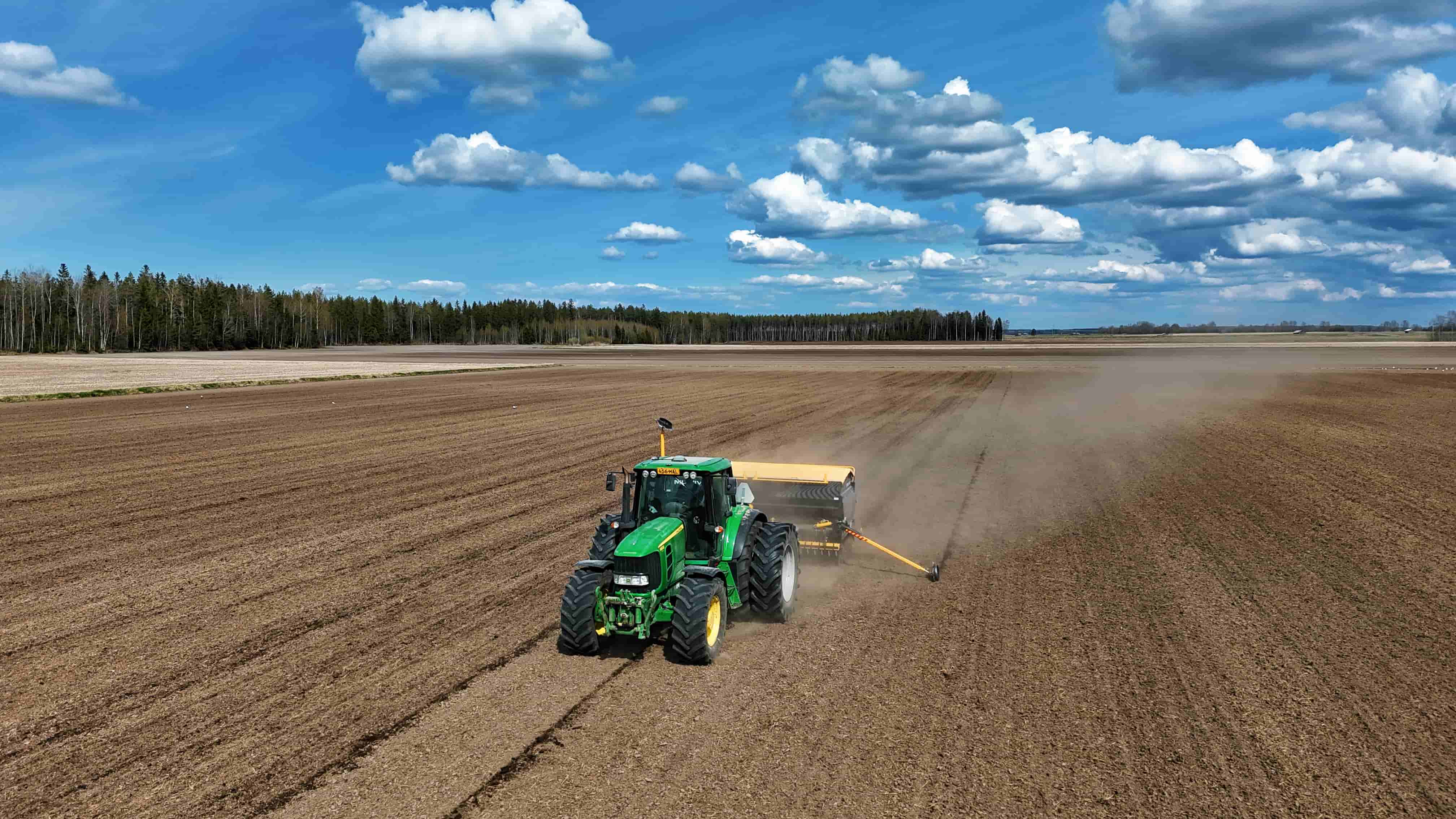
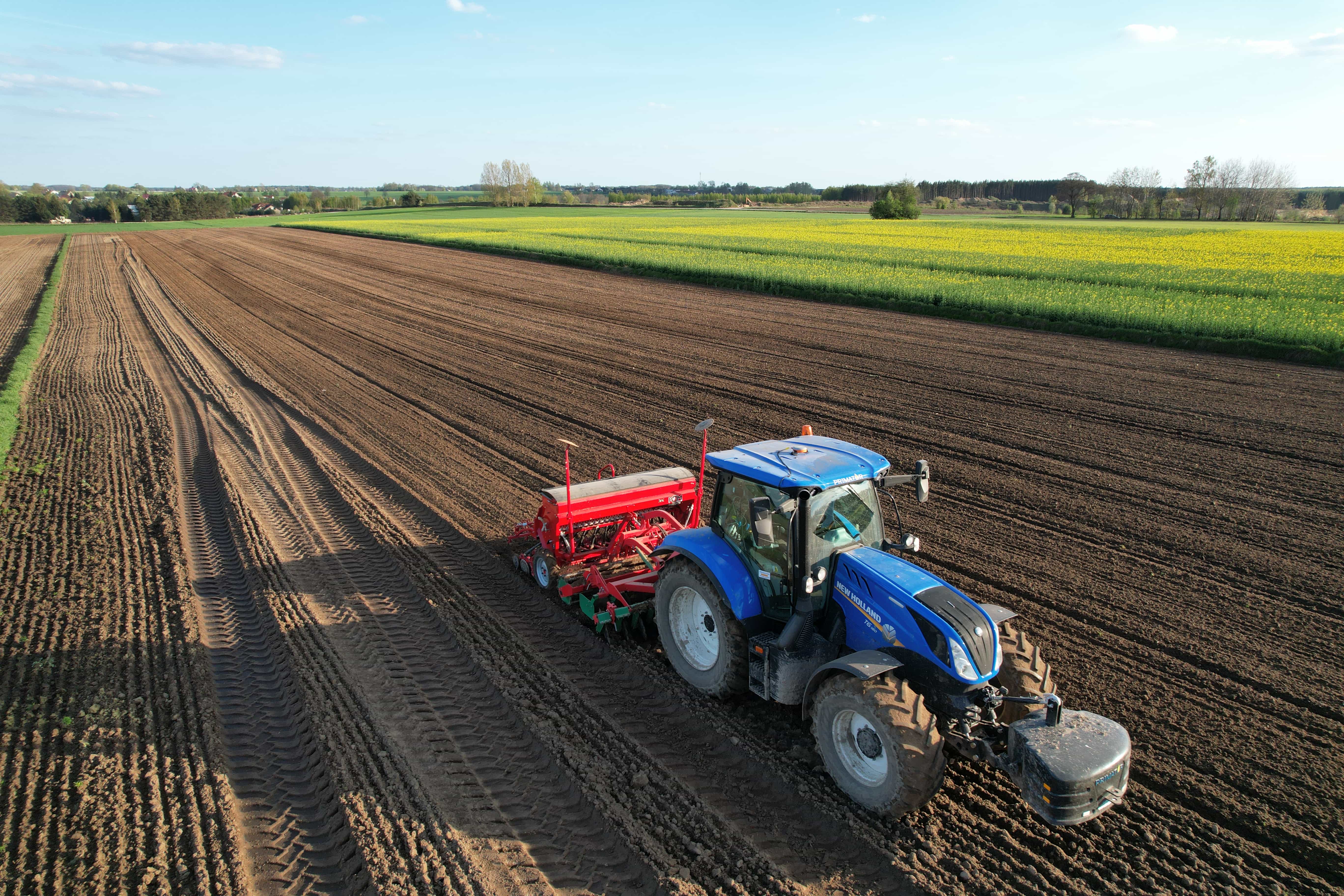
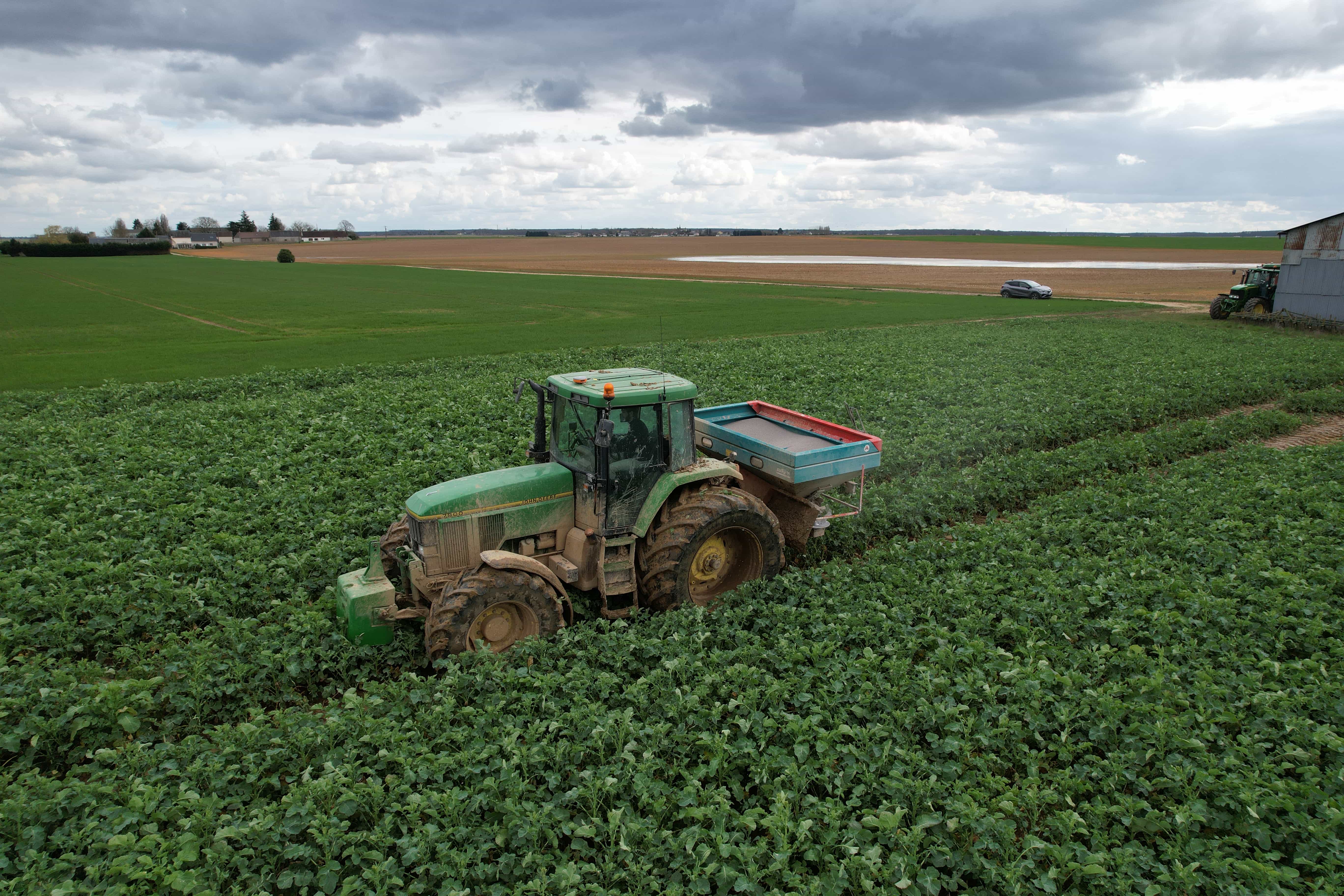
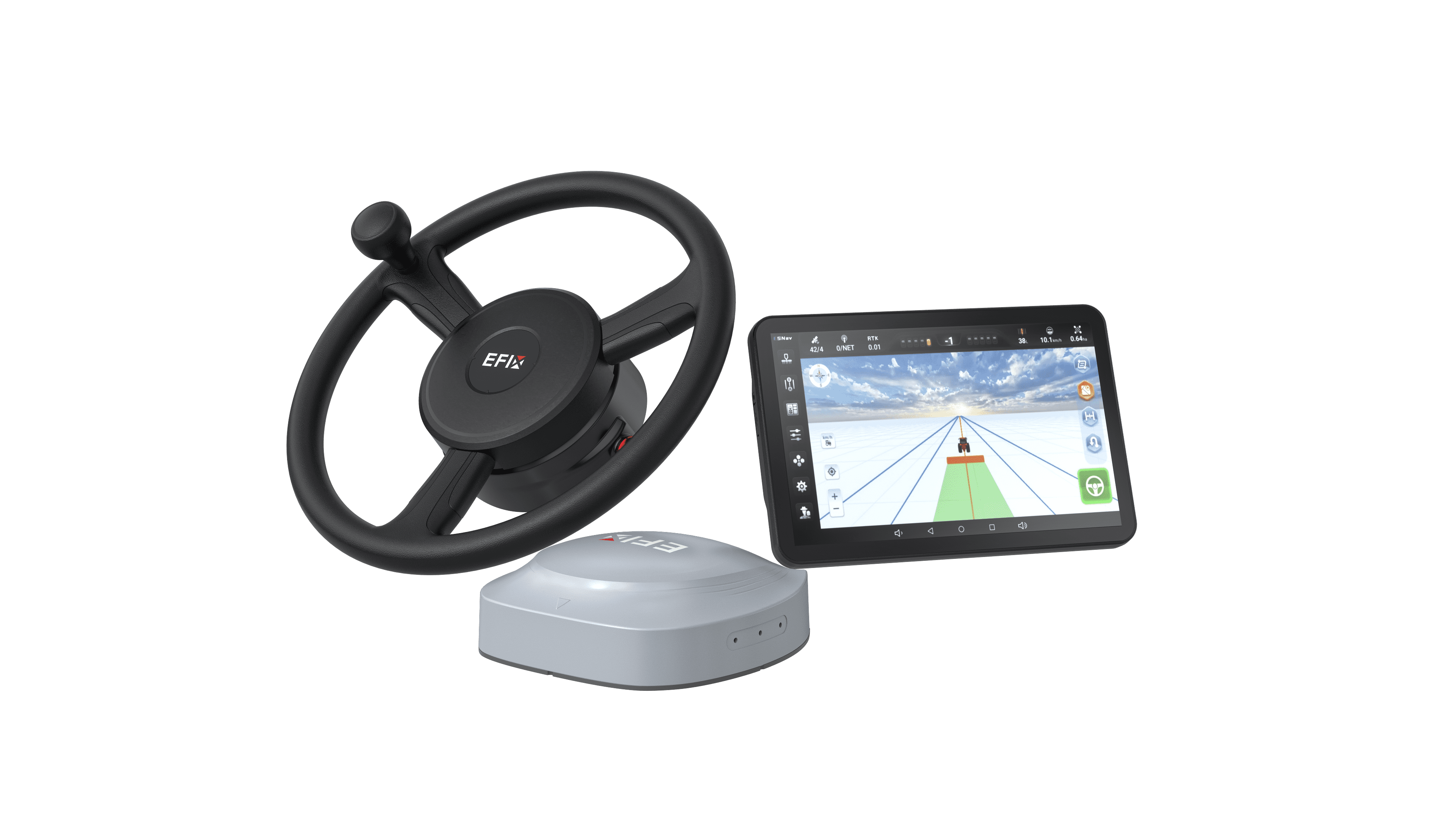
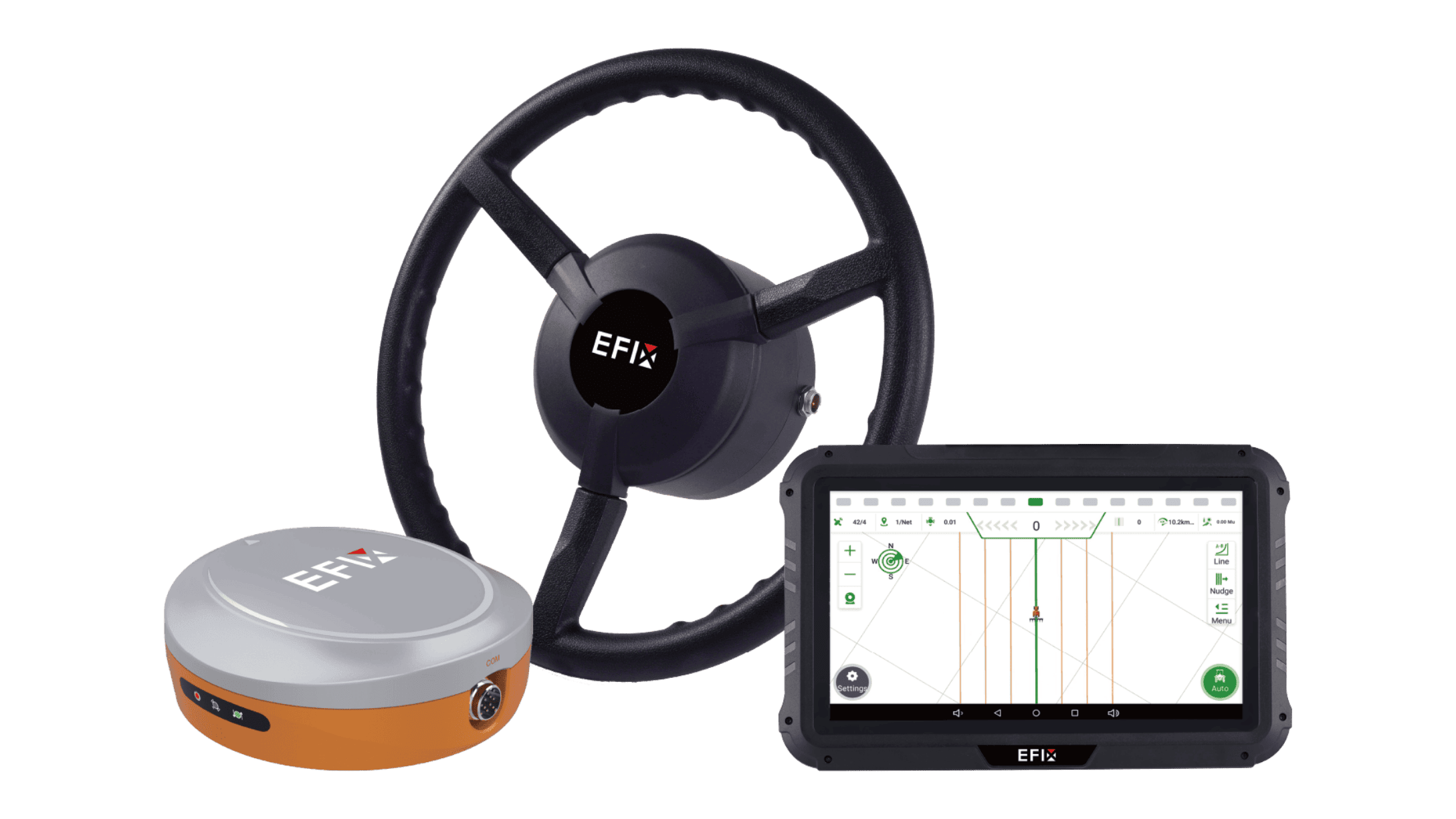
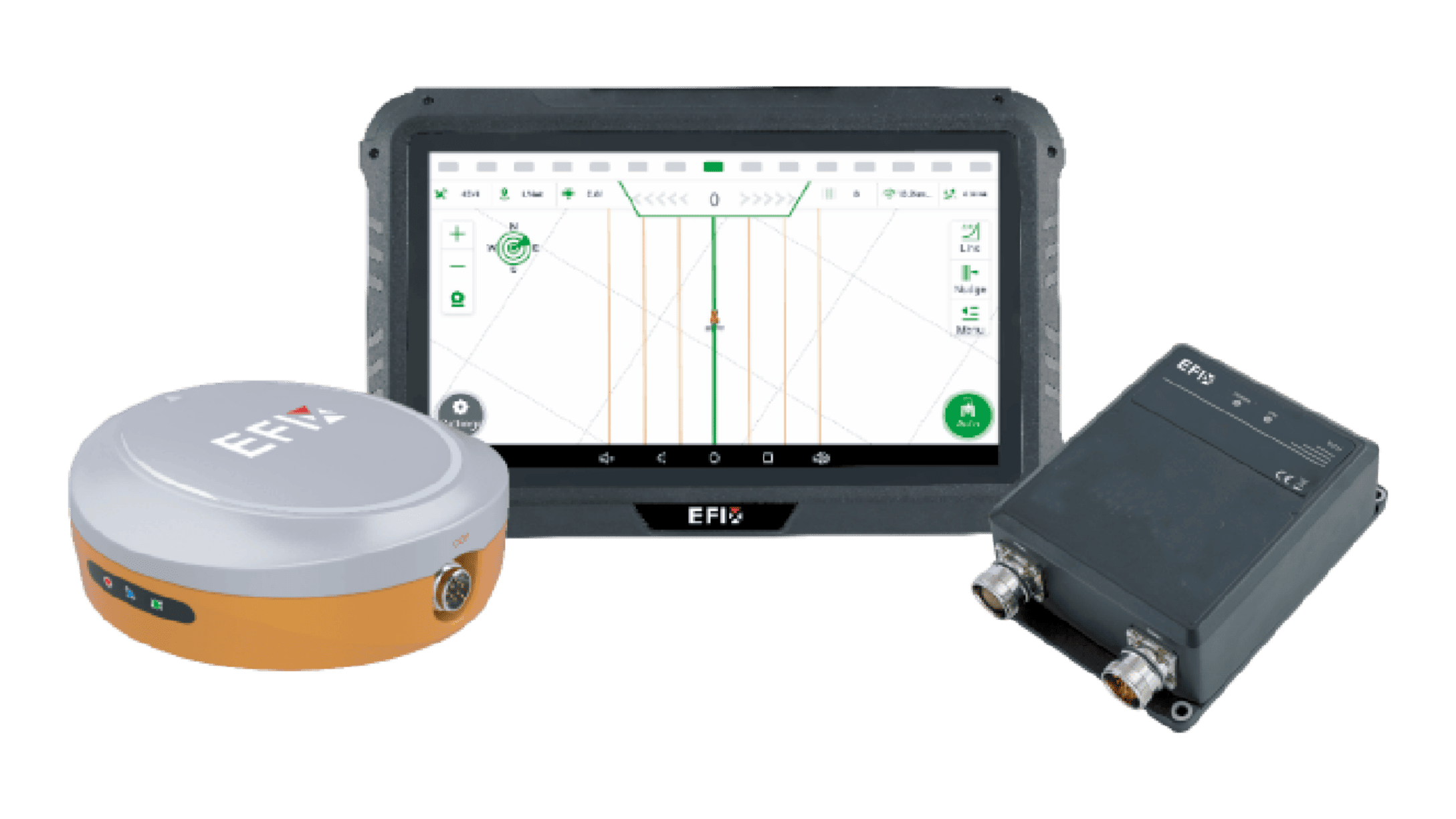
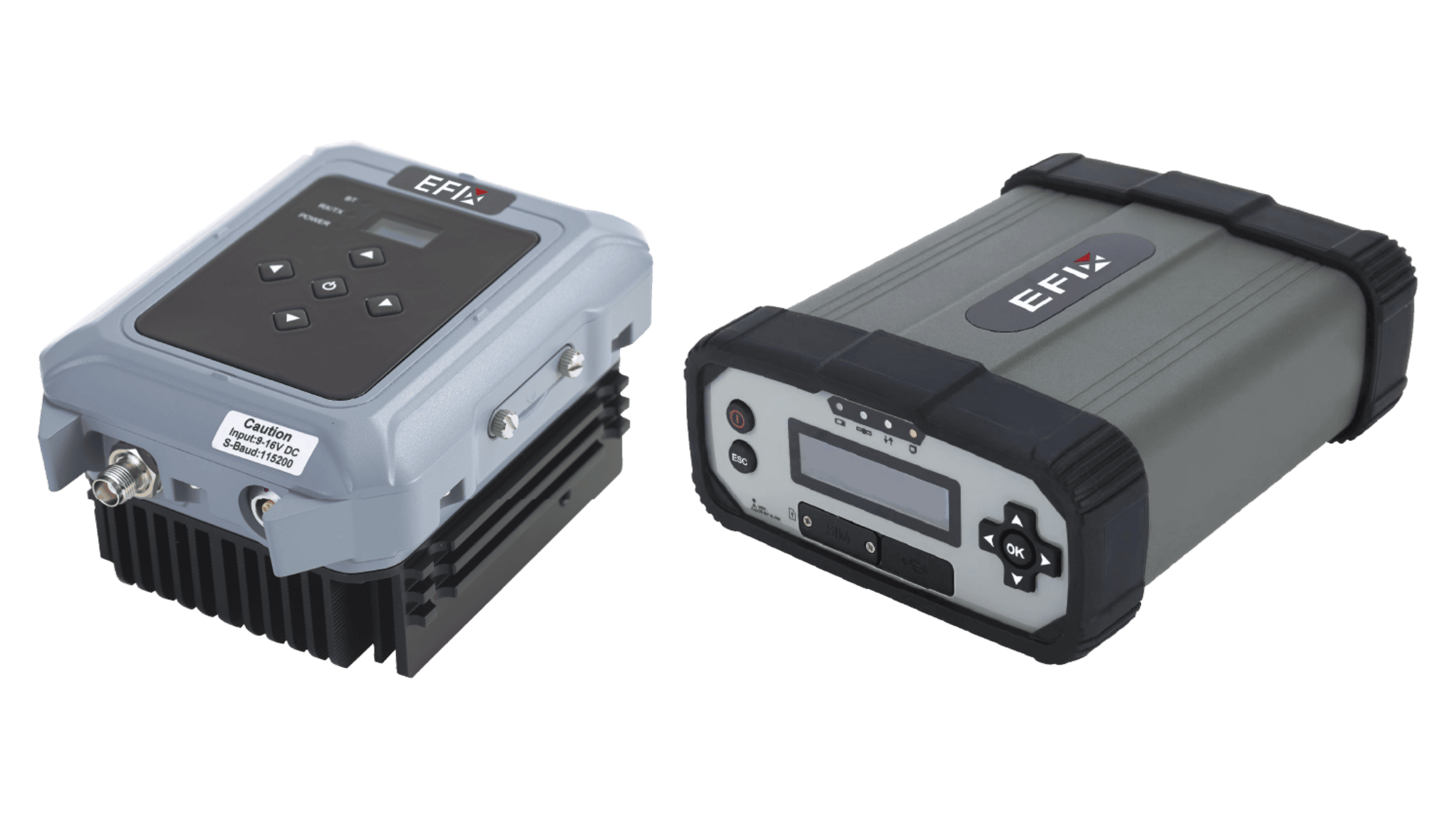
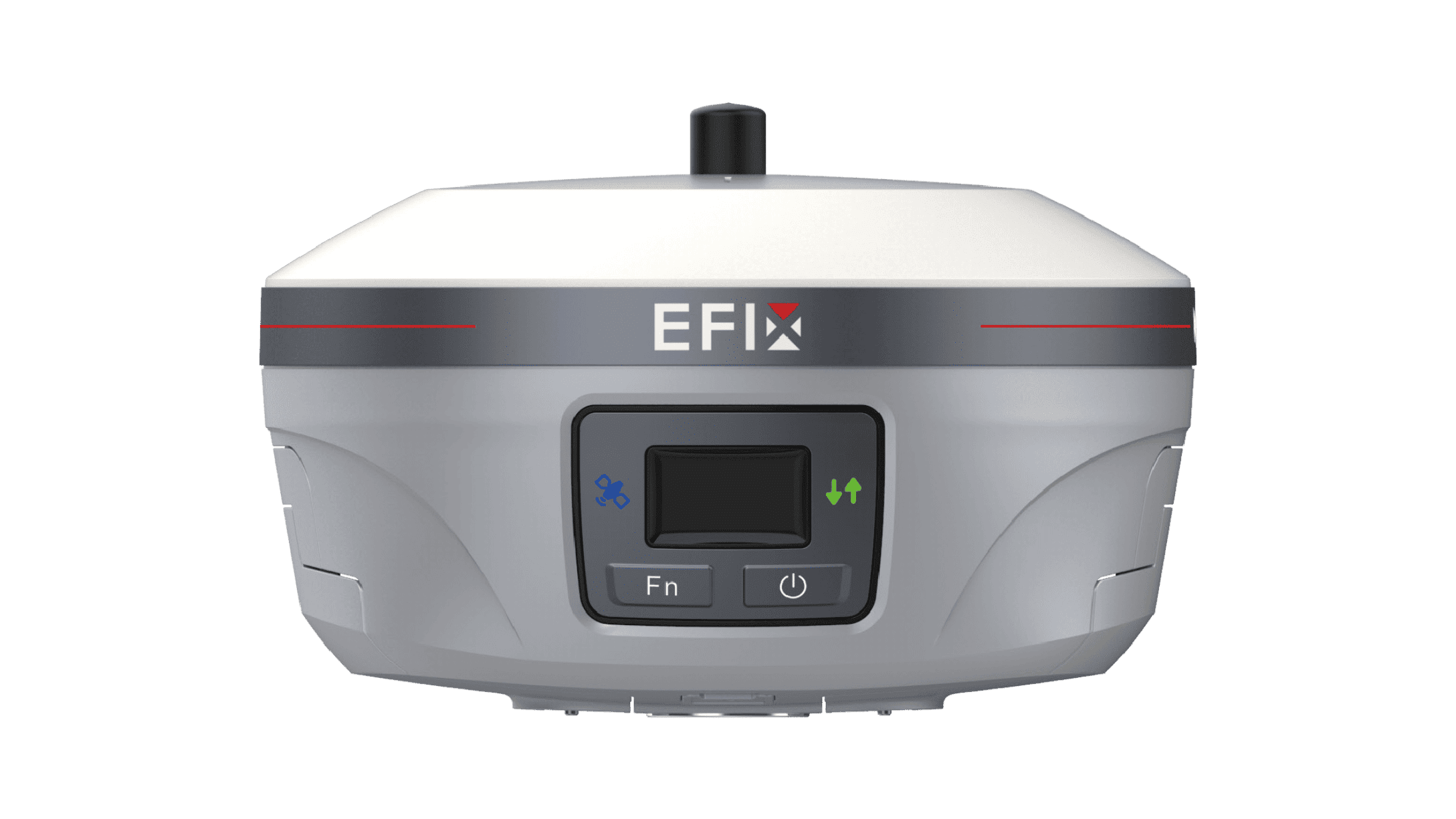
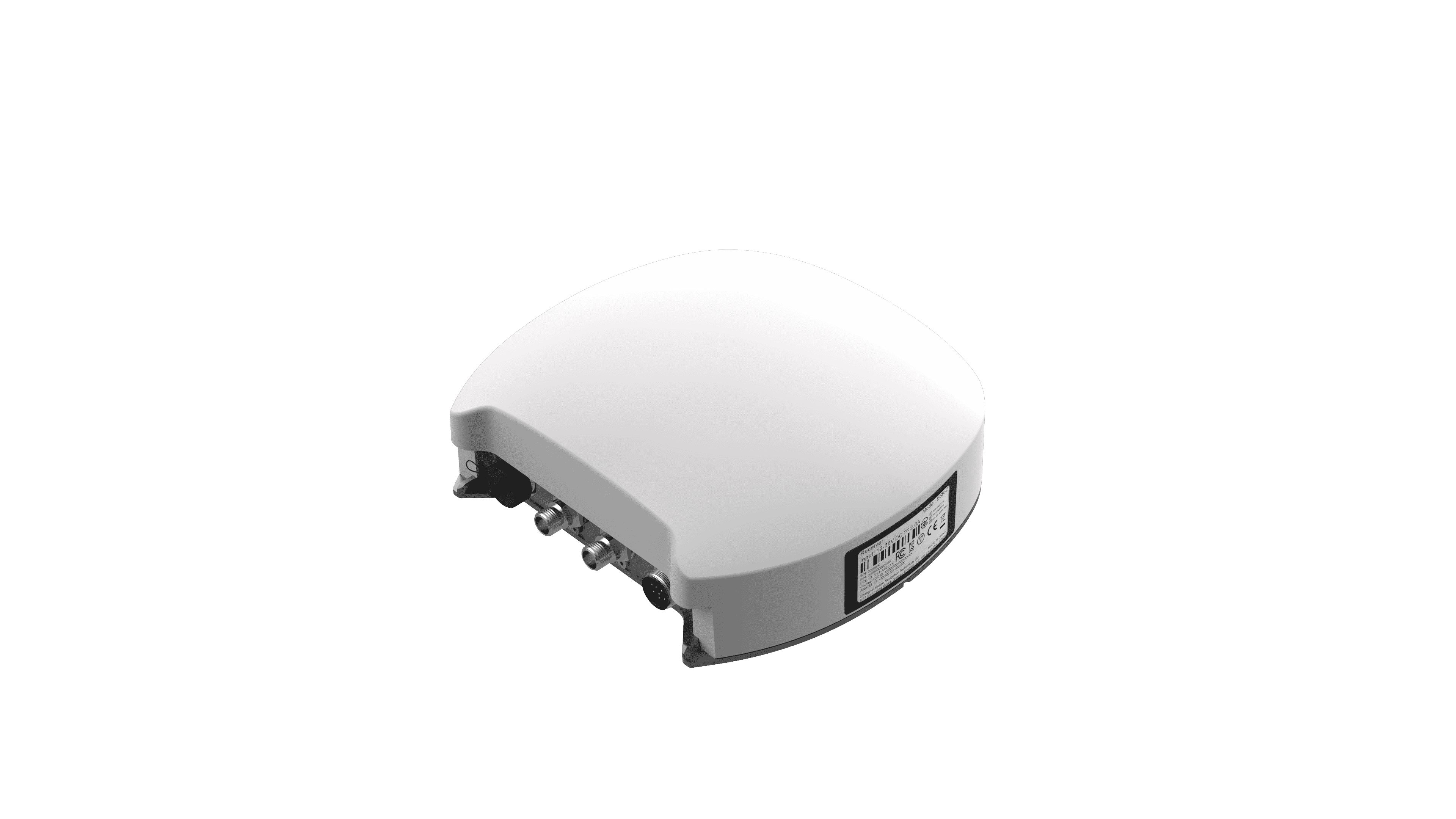
In the world of modern agriculture, the integration of precision agriculture tools has become essential for optimizing farm operations and enhancing crop yields. For farmers focusing on efficiency, using advanced technology, such as GNSS radio reference stations, can elevate data-driven decision-making. With tools like the EFIX, achieving high precision is within reach, ensuring that each acre of land is managed as effectively as possible.
Understanding Precision Agriculture Tools
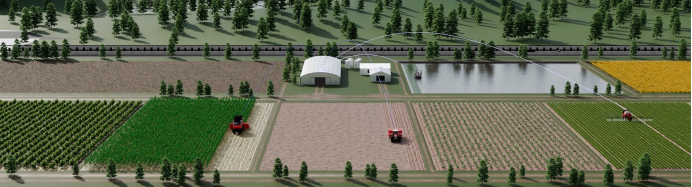
Precision agriculture tools encompass a range of technologies designed to gather and analyze data about crop health and soil conditions. Among these tools, the EFIX GNSS radio reference station stands out due to its ability to deliver centimeter-level positioning accuracy. This high level of precision is vital for tasks such as variable rate application of fertilizers and pesticides, allowing farmers to tailor their interventions to specific areas within a field. By utilizing reliable data, farmers can significantly reduce waste and increase the effectiveness of inputs, ultimately contributing to higher yields and sustainability.
The Role of Data in Agriculture
Data plays a crucial role in precision agriculture tools. With platforms like the EFIX, farmers have access to real-time data that helps them make informed decisions. For instance, soil moisture sensors combined with GNSS technology allow farmers to monitor field conditions accurately. This data-driven approach not only aids in timely interventions but also optimizes resource use, which is essential in today’s environment-conscious market. Additionally, integrating historical data allows for advanced analytical techniques to predict future crop performance, helping in long-term planning and resource allocation.
Stability Under Pressure: The EFIX Advantage
One of the standout features of the EFIX GNSS radio reference station is its robust stability. Operating continuously in various harsh conditions, it ensures that data transmission remains uninterrupted. This reliability is crucial, especially during critical farming periods when timely and accurate data can make all the difference. For example, during harvest or planting seasons, having a dependable precision agriculture tool decreases the likelihood of errors, enabling farmers to stick to strict schedules and meet market demands.
Future Trends in Precision Agriculture
As technology evolves, so do the possibilities for precision agriculture tools. Innovations such as drones, satellite imagery, and Internet of Things (IoT) devices continue to enhance the efficiency of agricultural practices. The integration of devices like the EFIX into this ecosystem can lead to even greater advancements in precision farming. Practices like data-sharing between farms and collaboration on best practices will likely become commonplace, leading to refined methods that maximize yield while minimizing environmental impact.
Conclusion
Our approach to farming is changing dramatically, and harnessing precision agriculture tools like the EFIX is at the forefront of this transformation. With its high precision and stable performance, the EFIX empowers farmers to leverage data effectively, enhancing their ability to manage resources sustainably. As we integrate more technology into agricultural practices, the future holds great promise for those who embrace these innovations. Through a commitment to data-driven decisions, we can truly cultivate a smarter agricultural landscape.